Updated 11 June 2026 · 8 min read
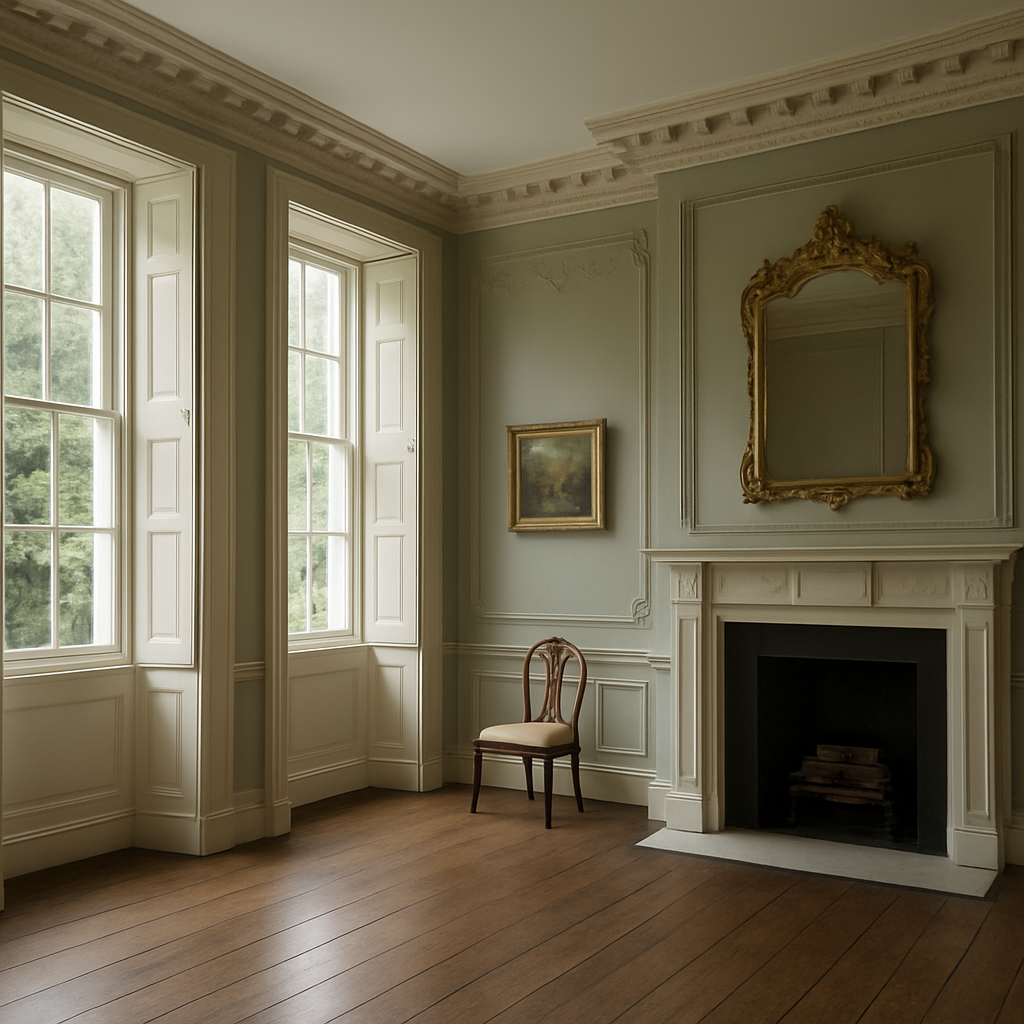
If you live in a listed building or a conservation area in London or Hertfordshire, you know the struggle. You love the character of your home: the original timber sashes, the crown glass, the history in every frame. But you probably don't love the rattling, the freezing winter draughts, or the sound of the morning commute echoing through your bedroom.
The problem is that traditional double glazing is usually a "no-go." Conservation officers are rightfully protective of historic fabric, and replacing original windows can often lead to a planning nightmare.
That's where secondary glazing for listed buildingscomes in. It's the "best of both worlds" solution that keeps the heritage look while bringing your insulation into the 21st century. For a broader look at our secondary glazing service for heritage properties, you can see how these discreet systems are designed to protect original windows while improving warmth and quiet.
Here are 7 things you need to know about heritage window insulation before you start your project.
1. It is Historic England's preferred solution
Historic England and most local conservation officers favour secondary glazing for one simple reason: it is reversible.
Because the secondary unit is installed on the internal side of your window reveal, it doesn't touch or damage the original historic glass or frames. If a future owner wanted to return the building to its exact 18th or 19th-century state, the secondary glazing could be removed with minimal trace. This "low-impact" approach makes it much easier to get the green light for your home improvements.
2. It can cut heat loss by up to 75%
Most people think they needdouble glazing to stay warm, but that's not necessarily true. Single-pane windows in heritage homes are notorious for "thermal leakage."
By installing a high-quality secondary glazingunit with a Low-E (low-emissivity) glass coating, you can reduce heat loss through your windows by 60% to 75%. This is especially useful in heritage homes where keeping original frames matters. It works by creating an insulating layer of air between the original window and the new pane, significantly reducing the "cold spot" effect in your rooms.
3. It's better at soundproofing than double glazing
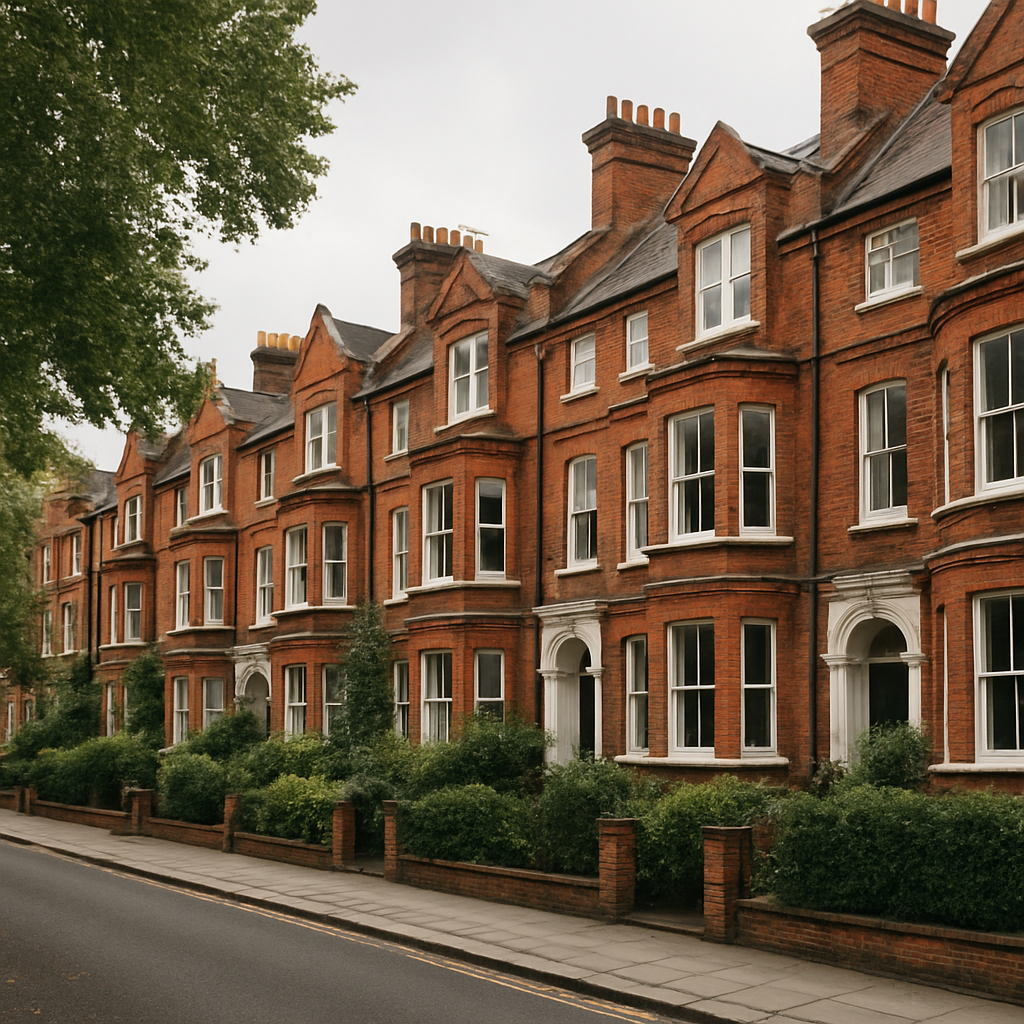
If noise is your main concern — whether it's Heathrow flight paths or London traffic — secondary glazing is actually superior to standard double glazing.
The secret is the air gap. Standard double-glazed units have a small gap (usually 16–20mm) between the panes. With secondary glazing, we typically leave a much larger gap (up to 100mm or more). This "acoustic break" is incredibly effective at muffling low-frequency noise. In fact, our acoustic secondary glazing can reduce outside noise by up to 80% (around 50dB).
4. You usually don't need planning permission
Because secondary glazing is an internal alteration and doesn't change the external appearance of the building, it often falls under "permitted development."
While we always recommend a quick chat with your local conservation officer just to be safe, it is rare for secondary glazing to be denied. At Presswarm Windows, we have decades of experience navigating these requirements across Hertfordshire and London, and we can provide the technical drawings often requested by councils to show just how discreet the installation will be.
5. It solves the condensation puzzle
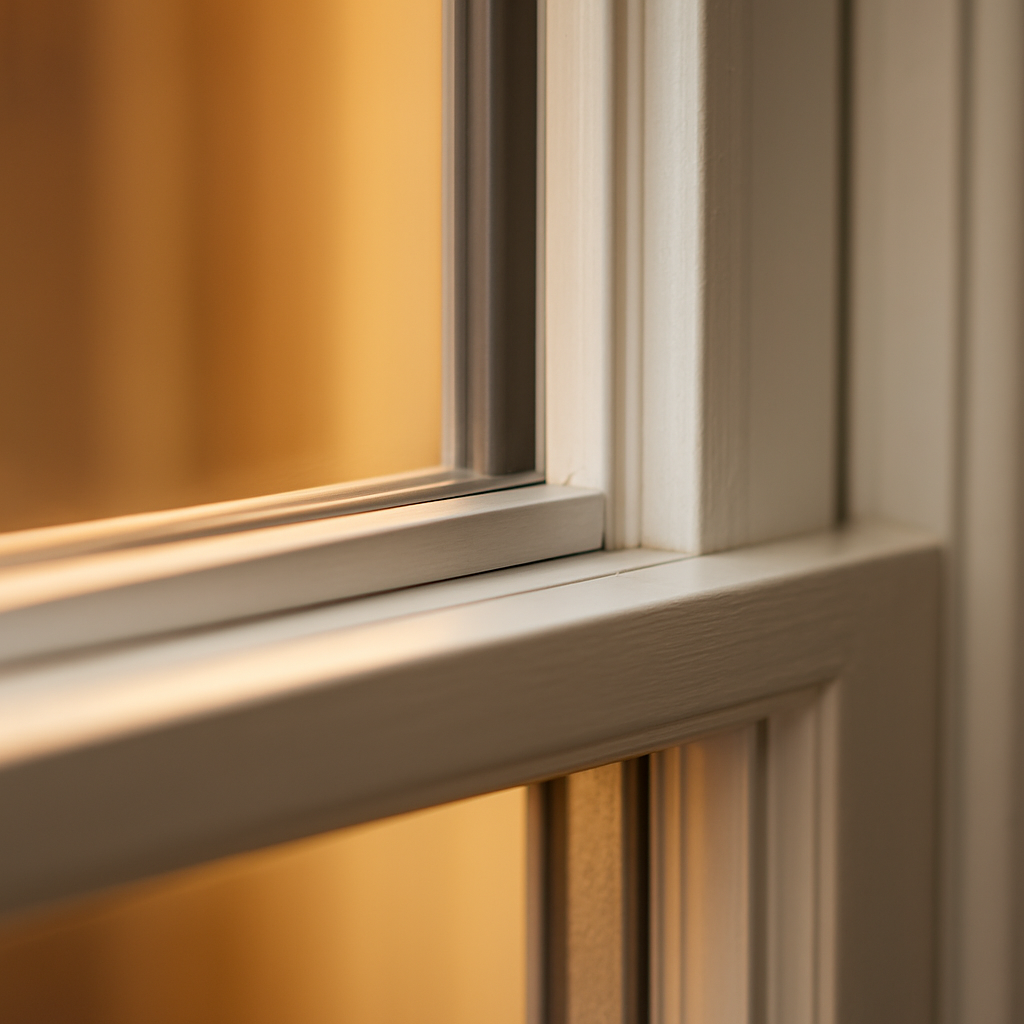
Condensation is the enemy of heritage timber. When warm indoor air hits a cold single-pane window, it turns to water, which then sits on your original wooden frames and causes rot.
Properly fitted secondary glazing manages this. We design our systems to allow for a tiny amount of controlled ventilation in the air gap, preventing moisture build-up while still keeping your room warm and draught-free. It's a delicate balance that protects the life of your original windows.
6. It can be virtually invisible
One of the biggest anxieties for homeowners is that a big, clunky frame will ruin their beautiful sash windows.
It doesn't have to be that way. We specialise in bespoke, slim-profile frames that align perfectly with your existing sash window or casement lines. Our secondary glazing serviceis built around heritage property requirements, including discreet sightlines and reversible fitting methods. Whether you have arched windows, bay windows, or unique "odd-leg" frames, we colour-match the aluminium to your existing decor so the secondary unit disappears into the background.
7. The installer is just as important as the product
Heritage properties are rarely straight. Walls are out of plumb, reveals are uneven, and timber can be delicate. This isn't a job for a "one-size-fits-all" kit or a subcontractor who is used to slamming in modern plastic windows.
At Presswarm Windows, we have been a family-run business since 1973. We don't use subcontractors. Every installer who enters your home is a directly employed, time-served craftsman. We treat your property with the respect it deserves — treating your home as if it were our own.
Ready to warm up your heritage home?
Living in a listed building shouldn't mean living in a cold or noisy environment. We provide free, no-obligation quotes with honest advice and no pushy sales tactics — and can guide you through the best options for your specific property.
Related reading
- Do I need listed building consent for secondary glazing?
- The ultimate guide to sash window secondary glazing
- How to reduce noise from traffic & aircraft
Need friendly, expert advice? Contact the Presswarm team for a no-obligation chat or to book a survey. Based in Hertfordshire and serving London, we are FENSA registered and Which? Trusted Trader approved, with over 50 years of experience. Learn more about our story here.